
Petrol Engine Performance Test Rig
Product Specification Sheet
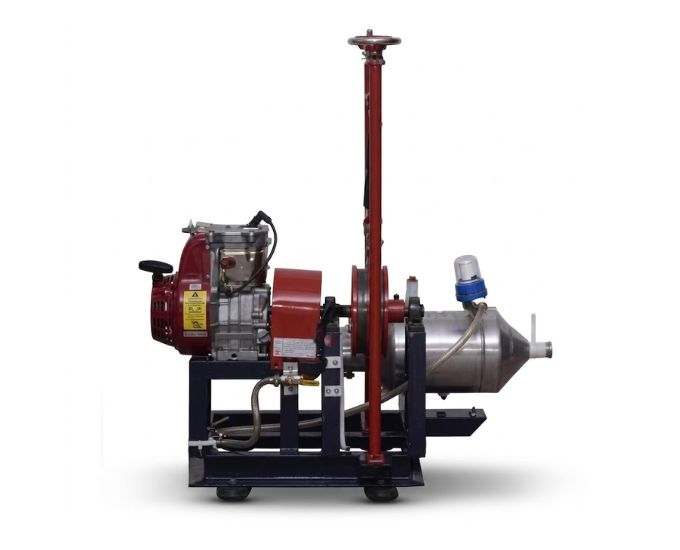
Petrol Engine Performance Test Rig
Model Number: MT- 101
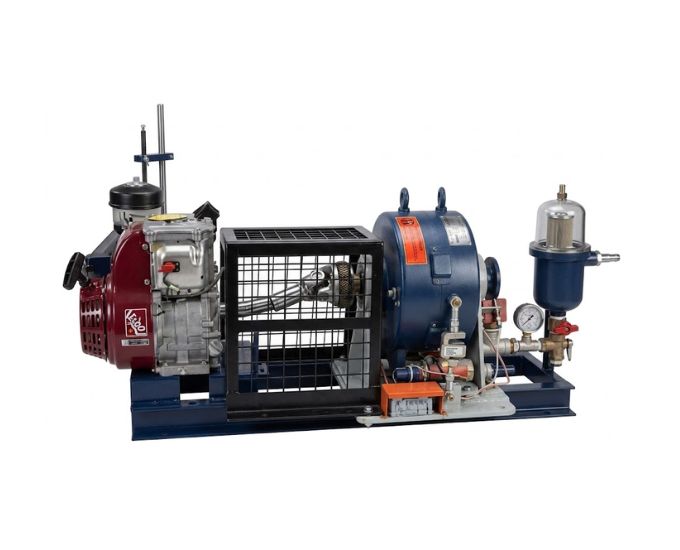
The Petrol Engine Performance Test Rig from Micro Technologies is designed for practical study and performance evaluation of a single-cylinder four-stroke petrol engine under different loading conditions. Equipped with a rope brake dynamometer, the setup enables determination of brake power, fuel consumption, specific fuel consumption and brake thermal efficiency. It is suitable for IC engine, automobile, mechanical and thermal engineering laboratories.
Product Specification
The Petrol Engine Performance Test Rig is a complete experimental setup designed to study the operating characteristics and performance of a four-stroke petrol engine.
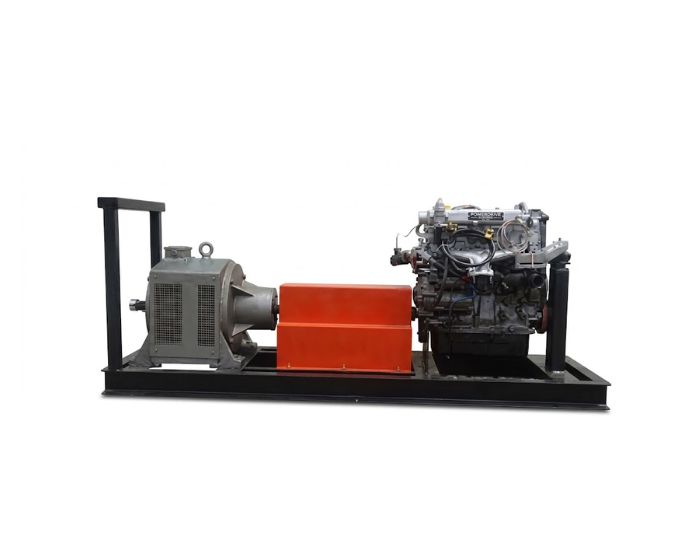
The setup consists of a single-cylinder four-stroke petrol engine mounted on a rigid supporting frame and coupled to a rope brake dynamometer. The dynamometer provides a simple and effective arrangement for applying measurable mechanical load to the engine.
During experimentation, the engine can be operated at different loading conditions while important parameters such as engine speed, applied load and fuel consumption are observed.
A suitable fuel-measuring arrangement enables users to determine the quantity of petrol consumed during a known time interval. These observations can then be used to calculate important engine performance parameters.
The test rig provides practical understanding of the relationship between engine load, power output, fuel consumption and efficiency.
Its integrated bench-type construction makes the setup suitable for routine experimental work, demonstrations and performance studies.
Key Features
- Single-cylinder petrol engine
- Four-stroke operating cycle
- Rope brake dynamometer
- Variable mechanical loading
- Brake power measurement
- Fuel consumption measurement
- Specific fuel consumption calculation
- Brake thermal efficiency determination
- Engine speed measurement provision
- Convenient fuel-measuring arrangement
- Rigid supporting structure
- Integrated experimental setup
- Easy observation of operating parameters
- Suitable for performance experiments
- Designed for repeated laboratory use
Technical Specifications
| Specification | Details |
|---|---|
| Product Name | Petrol Engine Performance Test Rig |
| Engine Type | Petrol Engine |
| Engine Configuration | Single Cylinder |
| Operating Cycle | Four Stroke |
| Loading Arrangement | Rope Brake Dynamometer |
| Fuel Type | Petrol |
| Fuel Measurement | Measuring Arrangement Provided |
| Speed Measurement | Provision Provided |
| Load Measurement | Through Dynamometer Arrangement |
| Mounting | Rigid Base Frame |
| Operation | Experimental / Performance Testing |
| Primary Application | Petrol Engine Performance Analysis |
Engine power, speed, bore, stroke, fuel capacity and dynamometer dimensions can be supplied according to the selected configuration.
Experiments Performed
Determination of Brake Power
The rope brake dynamometer applies a controlled mechanical load to the engine. Using the measured load, effective brake radius and engine speed, the brake power developed by the engine can be calculated.
Determination of Fuel Consumption
A measured quantity of fuel is allowed to flow to the engine and the time required for consumption is recorded. This enables the fuel consumption rate to be determined.
Determination of Specific Fuel Consumption
The measured fuel consumption is related to the useful brake power produced by the engine to calculate brake specific fuel consumption.
Determination of Brake Thermal Efficiency
The useful brake-power output is compared with the rate of energy supplied through the fuel to determine the brake thermal efficiency of the engine.
Working Principle
Engine Operation
The petrol engine converts the chemical energy of fuel into mechanical energy through the four-stroke combustion cycle.
The four strokes are:
- Intake Stroke – Air-fuel mixture enters the cylinder.
- Compression Stroke – The mixture is compressed inside the cylinder.
- Power Stroke – Combustion produces pressure that drives the piston.
- Exhaust Stroke – Combustion gases are expelled from the cylinder.
Continuous repetition of these strokes produces rotary mechanical output at the engine shaft.
Rope Brake Dynamometer
Loading Principle
The rope brake dynamometer is used to apply a controlled resisting load to the rotating engine shaft.
A rope is arranged around the brake drum connected to the engine. By adjusting the loading arrangement, the resistance acting against the engine can be varied.
The difference in applied forces produces a braking torque.
Using the torque and rotational speed, the actual mechanical power available at the engine shaft can be determined.
Performance Parameters
Brake Power
Brake power represents the useful mechanical power available at the output shaft of the engine.
Brake Torque
Brake torque represents the turning force produced by the engine under the applied dynamometer load.
Fuel Consumption
Fuel consumption indicates the amount of petrol consumed by the engine during a specified period.
Brake Specific Fuel Consumption
Brake specific fuel consumption indicates the quantity of fuel consumed for producing a unit of brake power.
Brake Thermal Efficiency
Brake thermal efficiency represents how effectively the energy supplied by the fuel is converted into useful mechanical power at the engine shaft.
Typical Performance Calculations
Brake Torque
Brake torque is calculated using the effective dynamometer load and effective brake radius.
Brake Power
Brake power can be determined from:
Brake Power = (2 × π × N × T) / 60
Where:
- N = Engine speed in RPM
- T = Brake torque in N·m
Fuel Consumption Rate
Fuel consumption is calculated using the measured quantity of fuel and the corresponding consumption time.
Brake Specific Fuel Consumption
BSFC = Fuel Consumption Rate / Brake Power
Brake Thermal Efficiency
Brake thermal efficiency is determined by comparing useful brake-power output with the fuel-energy input rate.
Main Components
| Component | Purpose |
|---|---|
| Petrol Engine | Main power-generating unit |
| Rope Brake Dynamometer | Applies and measures mechanical load |
| Brake Drum | Transfers engine output to the dynamometer |
| Load Arrangement | Provides controlled loading |
| Fuel Tank | Stores petrol for engine operation |
| Fuel Measuring System | Measures fuel consumption |
| Speed Measurement Provision | Determines engine RPM |
| Supporting Frame | Supports complete experimental setup |
| Control Arrangement | Assists engine operation and testing |
Test Procedure
Initial Preparation
Before starting the experiment, check the fuel supply, engine mounting, dynamometer arrangement and all required connections.
Start the Engine
Start the petrol engine according to the operating procedure and allow it to reach stable running conditions.
Record No-Load Condition
Observe and record the initial engine speed and other required parameters before applying significant load.
Apply Load
Gradually increase the load using the rope brake dynamometer.
Record Observations
At each selected loading condition, record:
- Engine speed
- Dynamometer load
- Fuel consumption
- Fuel consumption time
- Other required observations
Calculate Performance
Use the recorded data to determine brake power, specific fuel consumption and brake thermal efficiency.
Benefits
- Complete petrol engine experimental setup
- Practical engine-performance analysis
- Simple dynamometer loading system
- Multiple experiments from one setup
- Helps understand engine power characteristics
- Fuel-performance analysis
- Efficiency determination
- Convenient observation and measurement
- Suitable for repeated testing
- Robust supporting structure
- Useful for demonstration and experimentation
- Easy integration into an IC engine laboratory
Scope of Application
- Petrol Engine Performance Testing
- IC Engine Performance Analysis
- Brake Power Measurement
- Engine Torque Study
- Fuel Consumption Testing
- Specific Fuel Consumption Study
- Brake Thermal Efficiency Analysis
- Four-Stroke Engine Study
- Dynamometer Experiments
- Thermal Engineering Experiments
- Automobile Engineering Experiments
- Mechanical Engineering Experiments
Applications
- IC Engine Laboratories
- Mechanical Engineering Laboratories
- Automobile Engineering Laboratories
- Thermal Engineering Laboratories
- Engineering Colleges
- Technical Universities
- Polytechnic Institutes
- Industrial Training Institutes
- Research Laboratories
- Technical Training Centers
- Engine Testing Laboratories
- Research & Development Facilities
Safety Features & Precautions
Stable Mounting
The engine and dynamometer should remain securely mounted during operation to minimize unwanted movement and vibration.
Gradual Loading
Load should be applied progressively rather than suddenly to maintain stable engine operation.
Rotating Parts
Hands, loose clothing and tools should be kept away from rotating components while the engine is operating.
Fuel Handling
Petrol should be handled only in a properly ventilated area and kept away from flames, sparks and other ignition sources.
Exhaust Ventilation
Engine exhaust should be safely routed away from the working area with adequate ventilation.
Frequently Asked Questions
What is a Petrol Engine Performance Test Rig?
It is an experimental setup used to operate a petrol engine under different loading conditions and evaluate its performance characteristics.
Which type of engine is used in this test rig?
The shown setup uses a single-cylinder four-stroke petrol engine.
Which dynamometer is used for loading?
A rope brake dynamometer is used to apply controlled mechanical load to the engine.
What experiments can be performed with this setup?
The main experiments include determination of brake power, fuel consumption, specific fuel consumption and brake thermal efficiency.
Can engine brake power be determined?
Yes. Brake power can be calculated using measured engine speed and torque obtained through the dynamometer arrangement.
Can fuel consumption be measured?
Yes. A suitable fuel-measuring arrangement enables fuel consumption to be determined over a known time interval.
What is brake specific fuel consumption?
Brake specific fuel consumption indicates the quantity of fuel required to produce a unit of useful brake power.
What is brake thermal efficiency?
Brake thermal efficiency indicates how efficiently the energy supplied through the fuel is converted into useful mechanical output at the engine shaft.
Is the setup suitable for IC engine experiments?
Yes. It is particularly suitable for practical experiments involving petrol engines, engine loading, fuel consumption and performance evaluation.
Can specifications be customized?
Yes. Engine capacity, power rating, measuring arrangements, dynamometer configuration and other technical parameters can be selected according to laboratory requirements.
Why Choose Micro Technologies?
- Complete petrol engine testing setup
- Four-stroke single-cylinder configuration
- Rope brake dynamometer
- Brake power experiments
- Fuel-consumption measurement
- Specific fuel-consumption analysis
- Thermal-efficiency calculations
- Practical performance testing
- Robust laboratory construction
- Custom technical configurations
- Institutional and bulk supply
- Technical support
Call to Action
Choose the Petrol Engine Performance Test Rig from Micro Technologies for practical engine testing, fuel-consumption measurement and performance analysis. Contact us for complete technical specifications, engine configuration, customization, institutional requirements, bulk supply and quotation.