
Gradational dissection of human lower limb model
Product Specification Sheet
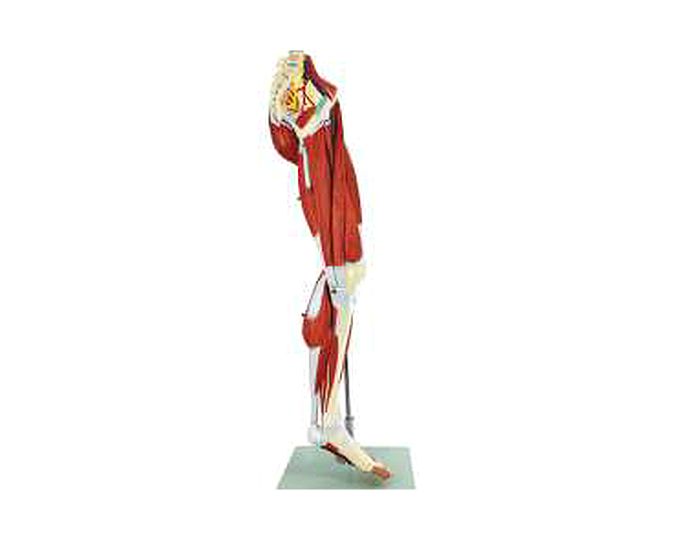
Gradational dissection of human lower limb model
Model Number: MT-052
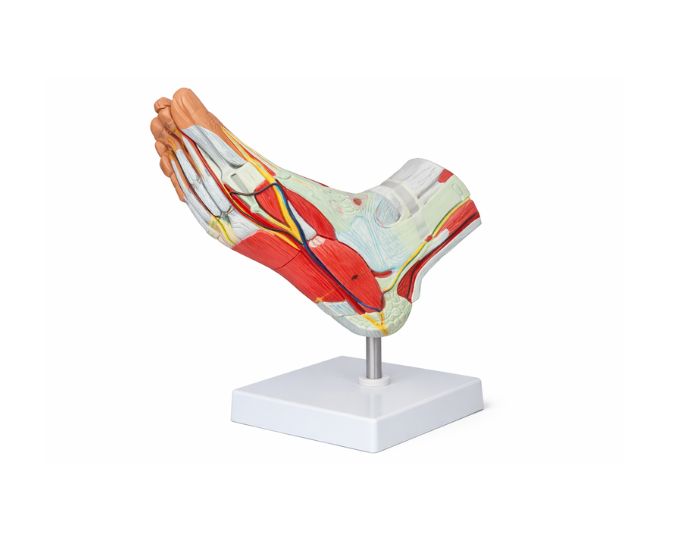
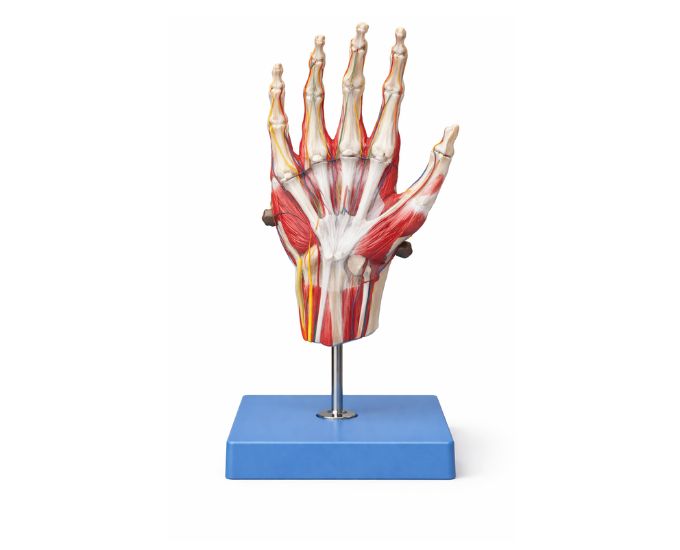
Gradational Dissection of Human Lower Limb is an anatomical teaching model designed to demonstrate the layered structure of the human lower limb. The model shows the progressive dissection of the leg, allowing students to study different anatomical layers including muscles, tendons and other structural components. This gradual representation helps learners understand how the various tissues of the lower limb are arranged and how they function together to support movement and stability. The model provides a clear visual reference for studying the anatomy of the leg and the relationships between muscles and surrounding structures. It is widely used in medical colleges, nursing institutes, physiotherapy training centers and biology laboratories for teaching human anatomy and musculoskeletal structure.
Product Specification
The Gradational Dissection of Human Lower Limb Model by Micro Technologies is a precision-designed anatomical model that offers a detailed representation of the human leg through progressive dissection. This model allows students and educators to study multiple anatomical layers, including muscles, tendons, and supporting structures, in a structured and easy-to-understand format.
By presenting the lower limb in gradual sections, the model helps learners visualize how different tissues are arranged and interact to enable movement, flexibility, and stability. It serves as an essential educational tool for understanding musculoskeletal relationships and functional anatomy. The Gradational Dissection of Human Lower Limb Model is widely used in medical colleges, nursing institutes, physiotherapy training centers, and biology laboratories for comprehensive anatomy education.
Built for accuracy and durability, the Gradational Dissection of Human Lower Limb Model supports repeated use in professional training environments, ensuring consistent learning outcomes.
Features
- Gradational dissection design for step-by-step anatomical study
- Clearly displays muscles, tendons, and structural layers
- High anatomical accuracy for educational precision
- Durable construction for long-term institutional use
- Ideal for demonstrating musculoskeletal relationships
- Designed for easy visualization of tissue arrangement
Benefits
- Enhances understanding of layered human anatomy
- Supports effective teaching in medical and physiotherapy education
- Improves learning through visual and structured representation
- Reduces reliance on complex theoretical explanations
- Provides long-term value with durable and reusable design
Product Specifications
| Specification | Details |
|---|---|
| Product Name | Gradational Dissection of Human Lower Limb |
| Model No. | MT-052 |
| Type | Anatomical Teaching Model |
| Material | High-quality durable polymer |
| Size / Model | Standard educational model |
| Usage | Medical education, anatomy training, labs |
FAQs
What is the purpose of the gradational lower limb dissection model?
This model is designed to help students understand the layered structure of the human lower limb by presenting progressive stages of dissection. It allows learners to study muscles, tendons, and supporting tissues in a clear and systematic way, making it highly useful in medical and physiotherapy education.
How does this model improve anatomy learning compared to standard models?
Unlike basic anatomical models, this gradational dissection model provides a step-by-step view of different tissue layers. This structured approach enhances comprehension by showing how each layer relates to the others, helping students better understand functional anatomy and movement mechanics.
Is the model suitable for regular use in classrooms and laboratories?
Yes, the model is built using durable, high-quality materials designed to withstand frequent handling in educational environments. It is ideal for long-term use in institutions such as medical colleges, nursing schools, and training centers.
Can this model be used for advanced medical and physiotherapy training?
Absolutely. The model is highly suitable for advanced studies as it clearly demonstrates musculoskeletal relationships and anatomical structures essential for clinical understanding. It is widely used in physiotherapy and medical training programs.
Why Choose Our Products
- Manufactured to meet high educational and medical standards
- Durable design ensures long operational life
- High anatomical precision for accurate teaching outcomes
- User-friendly models with reliable institutional support
Call to Action
Strengthen your institution’s anatomy training with advanced teaching models designed for professional use. Request a quote today or contact us for bulk orders to secure the best pricing for your laboratory or medical facility.