
Cable Winch Apparatus
Product Specification Sheet
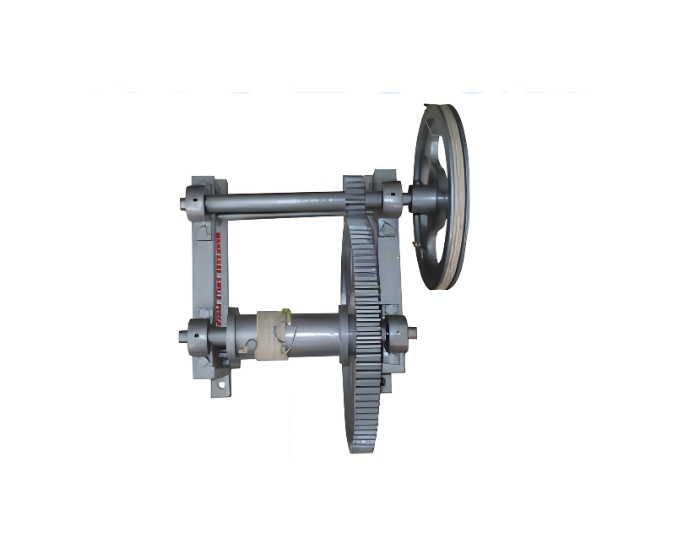
Cable Winch Apparatus
Model Number: MTDE-510
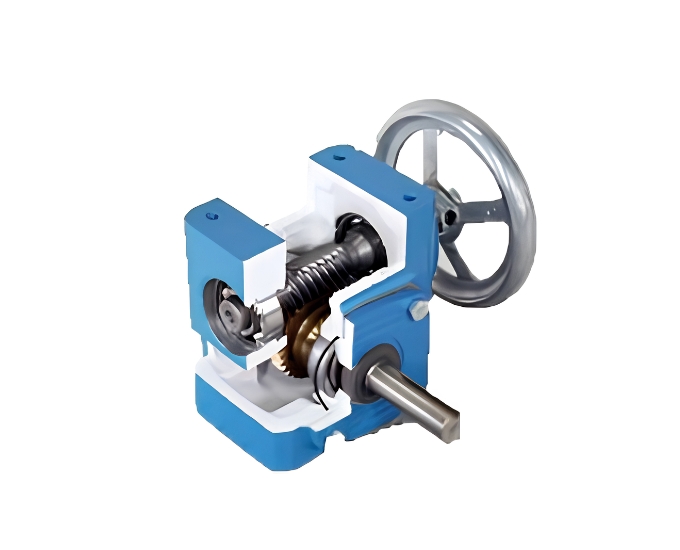
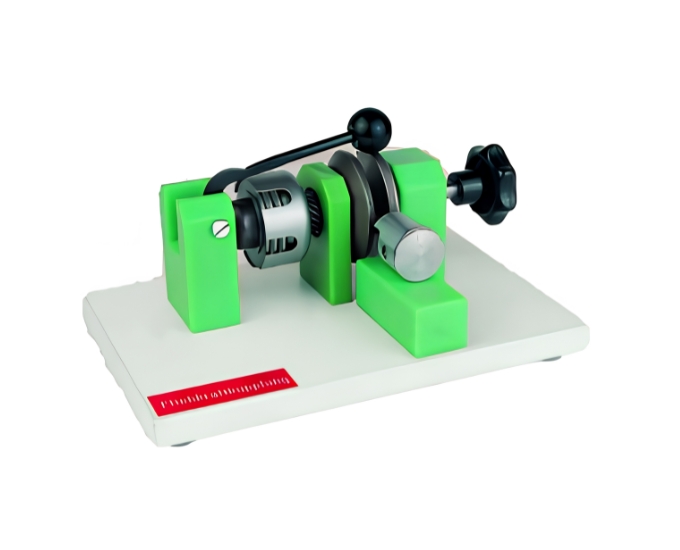
The Cable Winch Apparatus is an educational mechanical engineering system designed for practical study of a winch mechanism and its performance under load. It enables students to determine transmission ratio, cable unwinding rate, angular velocity, efficiency, and load behavior, providing a clear understanding of mechanical power transmission and lifting systems.
Product Specification
The Cable Winch Apparatus is a laboratory teaching system developed for practical investigation of the operating characteristics and mechanical performance of a cable winch.
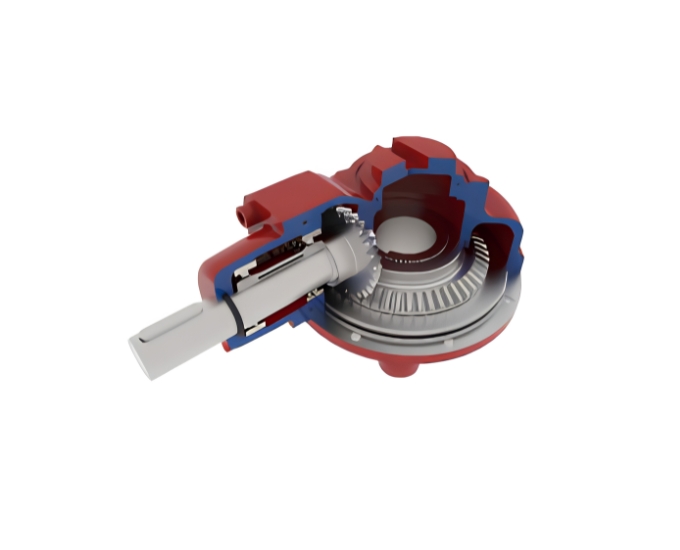
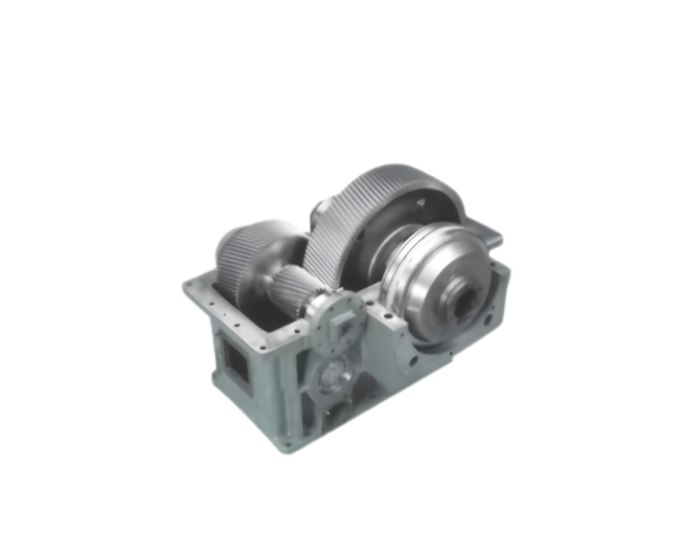
A cable winch is a mechanical system used to wind or unwind a cable around a drum for lifting, pulling, positioning, or lowering loads. Its operation commonly involves a gear transmission that converts input motion into controlled drum rotation.
The apparatus enables students to investigate the transmission ratio of the winch mechanism. By comparing input and output rotations, the relationship between the driving member and the cable drum can be determined.
Another important experiment is the determination of the unwinding rate. The movement of the cable can be observed and related to drum rotation in order to understand how quickly the cable is released or wound under different operating conditions.
The system also enables determination of angular velocity. Input and output rotational speeds can be compared to analyze the kinematic behaviour of the transmission.
The apparatus is suitable for determining the mechanical efficiency of the cable winch. Input work or power can be compared with the useful output obtained while lifting or moving a load.
Students can also investigate the behaviour of the winch under load. By applying different loads, changes in effort, motion, efficiency, and transmission response can be studied.
The mechanism helps demonstrate important concepts such as gear ratio, torque multiplication, drum rotation, cable movement, mechanical advantage, load lifting, frictional losses, and efficiency.
The apparatus provides a practical connection between theoretical mechanical transmission principles and real lifting equipment used in engineering applications.
Micro Technologies supplies Cable Winch Apparatus and other Theory of Machines and mechanical engineering laboratory equipment for engineering colleges, universities, polytechnic institutes, ITIs, and technical training centres.
Features
- Educational cable winch experimental apparatus
- Gear-driven winch mechanism
- Cable winding and unwinding demonstration
- Transmission ratio determination
- Unwinding rate measurement
- Angular velocity study
- Efficiency determination
- Load behavior investigation
- Suitable for mechanical advantage studies
- Demonstrates torque transmission
- Suitable for input-output comparison
- Practical lifting mechanism demonstration
- Student-friendly laboratory configuration
- Robust construction for repeated use
- Suitable for engineering education
Benefits
- Provides practical understanding of cable winch operation
- Enables transmission ratio determination
- Helps students understand drum and cable motion
- Supports angular velocity analysis
- Enables efficiency calculation
- Demonstrates performance under different loads
- Helps explain mechanical advantage and torque multiplication
- Connects theory with practical lifting systems
- Suitable for mechanical transmission studies
- Useful for hands-on engineering laboratory training
Product Specifications
| Specification | Details |
|---|---|
| Product Name | Cable Winch Apparatus |
| Product Type | Mechanical Transmission Laboratory Apparatus |
| Mechanism | Cable Winch |
| Primary Study | Winch Performance |
| Transmission Ratio | Determination Supported |
| Cable Motion | Winding / Unwinding |
| Unwinding Rate | Determination Supported |
| Angular Velocity | Determination Supported |
| Efficiency | Determination Supported |
| Load Study | Supported |
| Torque Transmission | Supported |
| Input Motion | Rotary |
| Output Motion | Drum Rotation / Cable Motion |
| Application | Theory of Machines / Mechanical Engineering Lab |
| Suitable For | Engineering Colleges, Universities & Technical Institutes |
Experiments Performed
- Study of cable winch operation
- Determination of transmission ratio
- Study of input and output rotation
- Determination of cable unwinding rate
- Study of cable winding characteristics
- Determination of angular velocity
- Study of drum rotational speed
- Determination of winch efficiency
- Investigation of load behavior
- Study of mechanical advantage
- Investigation of torque transmission
- Comparison of performance under different loads
- Study of frictional losses
- Practical investigation of lifting mechanism behavior
Applications
- Theory of Machines Laboratories
- Machine Design Laboratories
- Mechanical Engineering Laboratories
- Mechanical Transmission Laboratories
- Applied Mechanics Laboratories
- Engineering Mechanics Laboratories
- Automobile Engineering Laboratories
- Material Handling Training Laboratories
- Engineering Colleges
- Universities
- Polytechnic Institutes
- ITIs
- Technical Training Centres
- Vocational Training Institutes
FAQs
What is the Cable Winch Apparatus used for?
The apparatus is used to study cable winch operation and determine transmission ratio, unwinding rate, angular velocity, efficiency, and behavior under load.
What is a cable winch?
A cable winch is a mechanical device that winds or unwinds cable around a rotating drum for lifting, pulling, lowering, or positioning loads.
Can the transmission ratio be determined?
Yes. Input and output rotations can be compared to determine the transmission ratio of the winch mechanism.
Can cable unwinding rate be studied?
Yes. The apparatus enables students to determine and analyze the rate at which cable is released from the drum.
Can angular velocity be measured?
Yes. The rotational motion of the relevant components can be studied to determine angular velocity.
Can efficiency be determined?
Yes. The useful output obtained from the winch can be compared with the input to determine mechanical efficiency.
Can the apparatus be tested under load?
Yes. Different loads can be applied to investigate how the winch behaves under changing operating conditions.
What factors affect cable winch efficiency?
Efficiency can be influenced by gear friction, bearing losses, cable and drum interaction, load conditions, and other mechanical losses.
Can mechanical advantage be studied?
Yes. The relationship between input effort, gear transmission, and output load can be used to explain mechanical advantage.
Is the apparatus suitable for Theory of Machines laboratories?
Yes. It is suitable for Theory of Machines, Machine Design, Mechanical Engineering, Applied Mechanics, and mechanical transmission laboratories.
Why Choose Our Products
- Practical cable winch demonstration
- Transmission ratio experiments
- Cable winding and unwinding studies
- Angular velocity determination
- Efficiency analysis
- Load behavior investigation
- Mechanical advantage demonstration
- Student-friendly laboratory design
- Durable institutional construction
- Suitable for engineering education
- Customized configurations available
- Institutional and bulk supply support
Call to Action
Looking for a Cable Winch Apparatus for your engineering laboratory? Micro Technologies supplies winch apparatus, mechanical transmission equipment, Theory of Machines systems, Machine Design laboratory equipment, and mechanical engineering training systems for universities, engineering colleges, polytechnic institutes, ITIs, and technical training centres. Contact us for technical specifications, customized configurations, institutional orders, bulk supply, distributor inquiries, government tenders, or a competitive quotation.