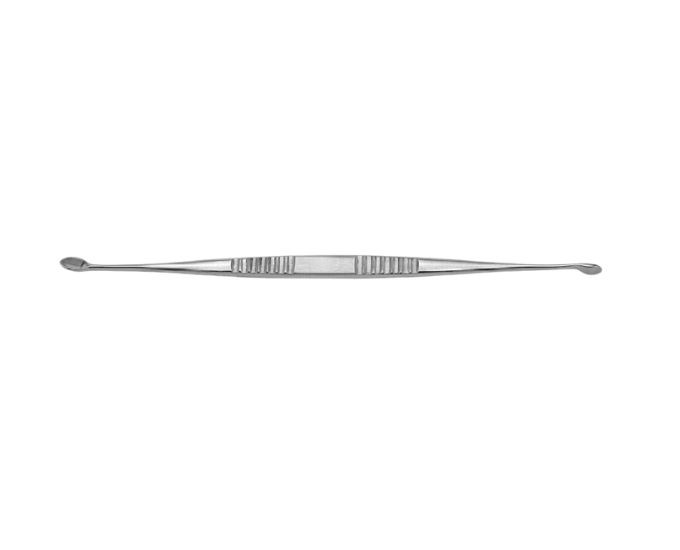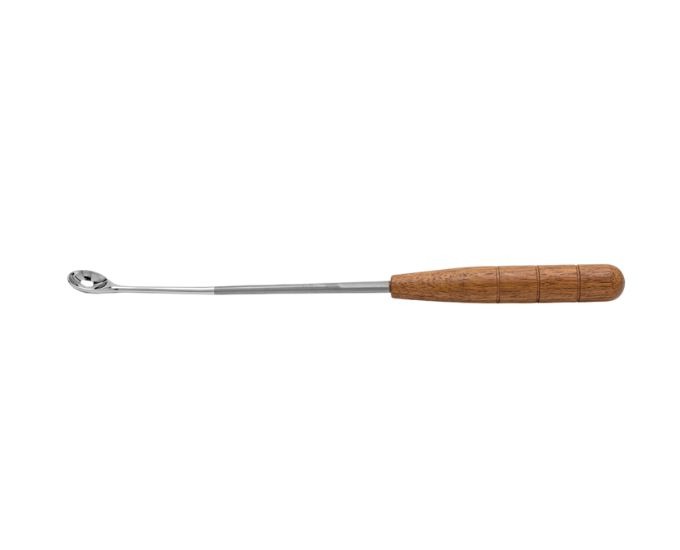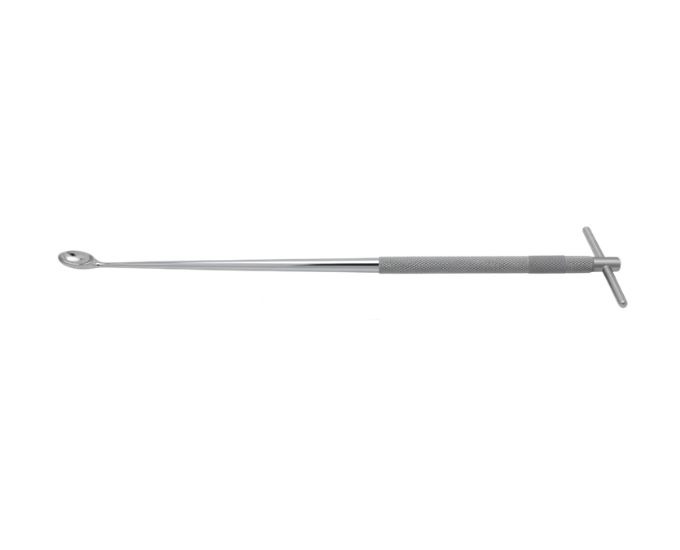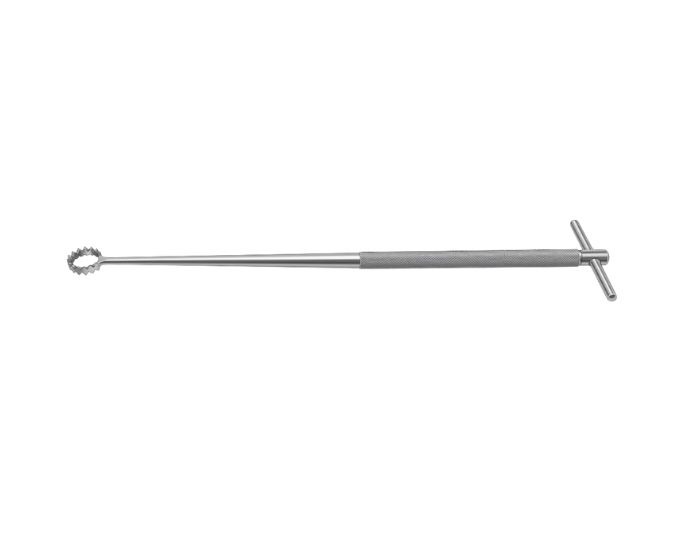

Ray Curette 18 cm Surgical Instrument with Multi-Angle Tips
Product Specification Sheet
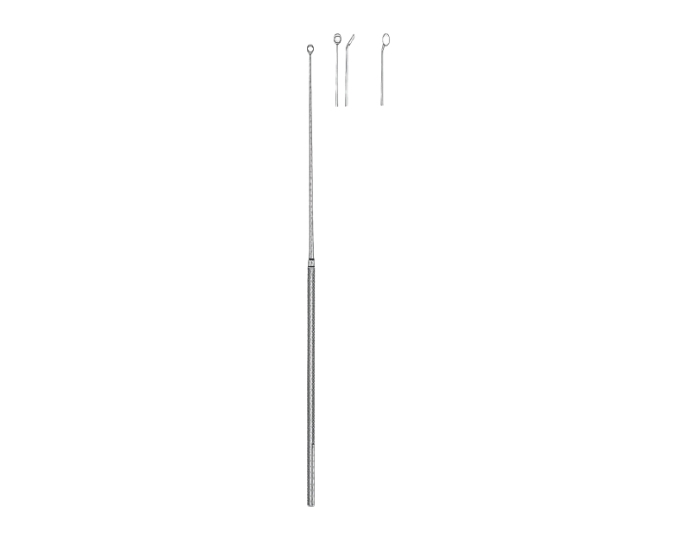
Ray Curette 18 cm Surgical Instrument with Multi-Angle Tips
Model Number: MTSI-469
The Ray Curette 18 cm with 4 mm tip is a precision surgical instrument designed for effective tissue and bone removal during medical procedures. Available in multiple configurations including straight, horizontal, 45-degree, and vertical angles, it offers versatility for various surgical applications. Commonly used in hospitals, research centers, and medical training institutes, this instrument ensures accuracy and control. Manufactured by Micro Technologies, it provides durability, ergonomic handling, and reliable performance in clinical environments.
Product Specification
The Ray Curette 18 cm Surgical Instrument with Multi-Angle Tips is designed for precision scraping and removal of bone, cartilage, and soft tissue in surgical procedures. With a length of 18 cm (7 inches) and a 4 mm tip, it provides excellent reach and control, making it suitable for delicate and detailed work.
This curette is available in multiple configurations, including straight, horizontal, 45-degree, and vertical angles, allowing surgeons to access difficult areas with ease. The variety of angles enhances flexibility during procedures, ensuring better surgical outcomes. Constructed from high-quality surgical-grade stainless steel, it offers durability, corrosion resistance, and compatibility with repeated sterilization.
Manufactured by Micro Technologies, the Ray Curette 18 cm Surgical Instrument with Multi-Angle Tips is widely used in hospitals, orthopedic centers, and medical training institutes. It supports both clinical procedures and educational training, making it an essential tool for surgeons and medical professionals.
Features
- 18 cm (7") length for optimal reach and control
- 4 mm tip for precise tissue and bone removal
- Available in straight, horizontal, 45-degree, and vertical angles
- Made from surgical-grade stainless steel
- Corrosion-resistant and autoclavable
- Ergonomic design for improved handling
Benefits
- Enables precise and controlled tissue removal
- Provides flexibility with multiple angle options
- Enhances access to hard-to-reach surgical areas
- Improves surgical accuracy and efficiency
- Ensures long-term durability and consistent performance
Product Specifications
| Specification | Details |
|---|---|
| Product Name | Ray Curette |
| Model No. | MTSI-469 |
| Type | Surgical Curette (Multi-Angle) |
| Material | Surgical-grade stainless steel |
| Size / Model | 18 cm (7"), 4 mm Tip, Multiple Angles |
| Usage | Surgical Procedures, Orthopedic, Medical Training |
FAQs
What is a Ray curette used for in surgical procedures?
A Ray curette is used for scraping and removing bone, cartilage, or soft tissue during surgical procedures. It is commonly used in orthopedic and spinal surgeries where precision is required. The instrument helps surgeons prepare and clean surgical sites effectively, ensuring better outcomes and improved healing conditions.
What are the advantages of having multiple angle options?
Multiple angle options such as straight, horizontal, 45-degree, and vertical allow surgeons to access different areas of the surgical site with ease. This versatility is especially useful in complex procedures where certain areas are difficult to reach. It enhances precision and efficiency, making the instrument highly adaptable.
Is the 4 mm tip suitable for delicate procedures?
Yes, the 4 mm tip is ideal for delicate and precise work, allowing controlled removal of tissue without causing unnecessary damage. It provides accuracy and fine control, which is essential in procedures that require detailed manipulation. This makes it suitable for both minor and complex surgical tasks.
Can this curette be sterilized and reused?
Yes, the Ray curette is made from high-quality surgical-grade stainless steel, which is resistant to corrosion and suitable for repeated sterilization. It can be autoclaved using standard procedures without affecting its performance, ensuring safety and long-term usability in clinical environments.
Where is this instrument commonly used?
This instrument is widely used in hospitals, surgical centers, orthopedic clinics, and medical training institutes. It is also used in research facilities and teaching hospitals to demonstrate surgical techniques. Its precision and versatility make it an essential tool for both practicing surgeons and students.
Why Choose Our Products
- Manufactured with premium surgical-grade materials
- Designed for durability and long-term clinical use
- Precision-engineered for accurate surgical performance
- Ergonomic and user-friendly design for enhanced control