
Ebonite Rod for Electrotatic Experiments
Product Specification Sheet
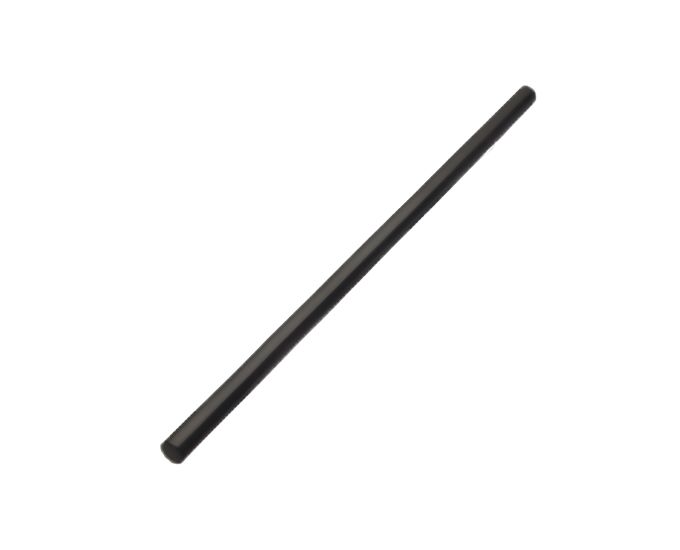
Ebonite Rod for Electrotatic Experiments
Model Number: MTEE-04
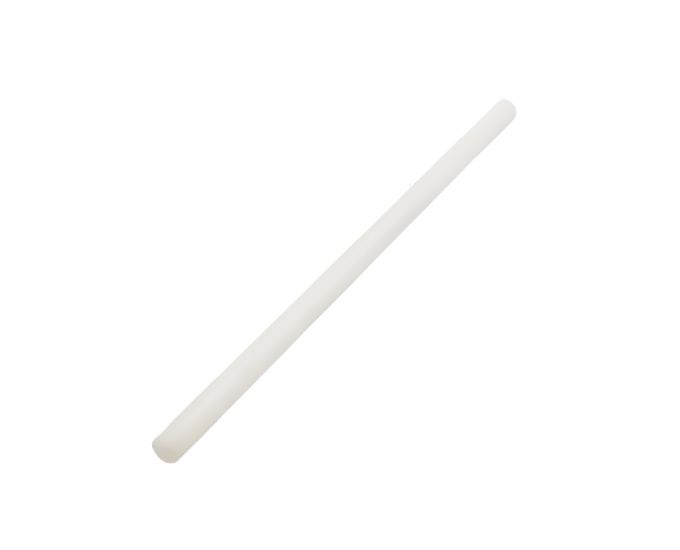
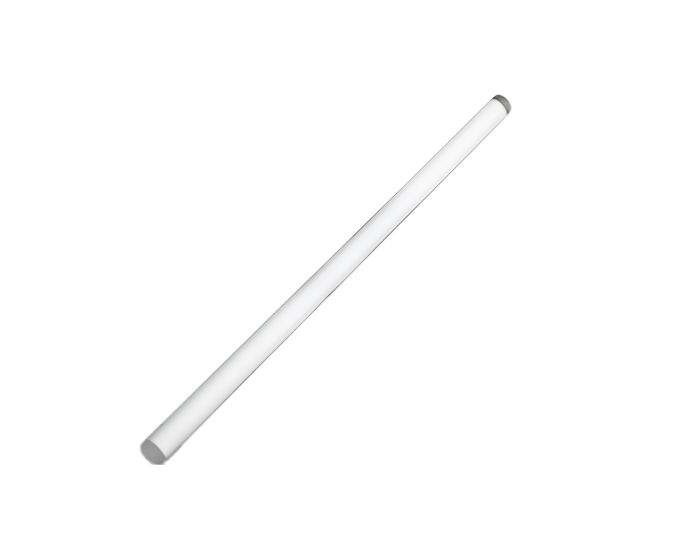
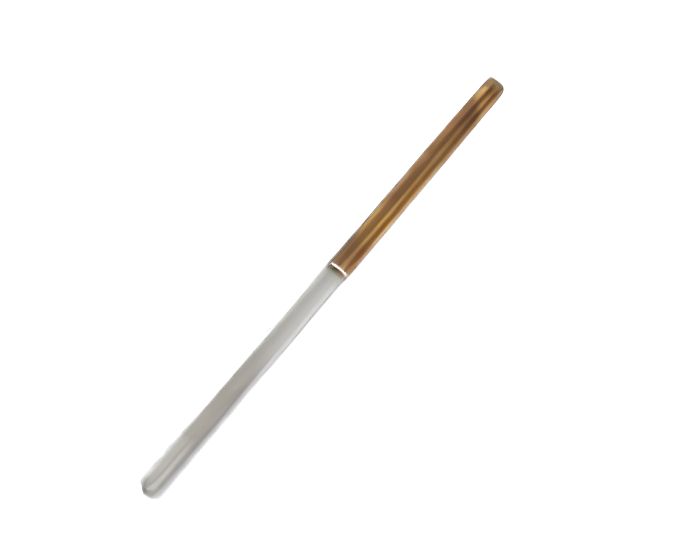
The Ebonite Rod is a polished insulating rod designed for experiments involving static electricity, electrostatic charging, and charging by friction. Measuring approximately 300 mm in length and 13 mm in diameter, it can be rubbed with a suitable material to develop an electrostatic charge for use in a variety of electrostatics investigations.
Product Specification
The Ebonite Rod is a simple and reliable electrostatics accessory used for demonstrating the production and behaviour of static electric charge. Manufactured from insulating ebonite material, the rod is particularly suitable for experiments based on charging by friction.
When the ebonite rod is rubbed with a suitable friction material, electrons can be transferred between the surfaces, causing the rod to become electrically charged. The resulting static charge can then be used to demonstrate electrostatic attraction, repulsion, charge transfer, and related phenomena.
Micro Technologies supplies the rod with a polished surface for convenient handling and consistent experimental use. Its cylindrical construction provides a comfortable grip while allowing the rod to be used with various electrostatic accessories.
The rod measures approximately 300 mm long and 13 mm in diameter, providing a practical size for bench-top electrostatics experiments.
It can be used individually or in combination with electroscopes, pith balls, electrostatic pendulums, friction materials, and other compatible electrostatic demonstration apparatus.
Features
- Polished ebonite construction
- Approx. 300 mm length
- Approx. 13 mm diameter
- Electrical insulating material
- Suitable for charging by friction
- Produces static electrical charge
- Smooth cylindrical construction
- Lightweight and easy to handle
- Suitable for repeated electrostatic experiments
- Compatible with various electrostatic accessories
- Simple and durable design
Benefits
- Provides a simple method of generating static charge
- Suitable for multiple electrostatic demonstrations
- Insulating construction helps retain electrostatic charge
- Convenient dimensions for handling during experiments
- Can be combined with several electrostatic instruments
- Requires no external electrical power
- Durable construction supports repeated laboratory use
Product Specifications
| Specification | Details |
|---|---|
| Product Name | Ebonite Rod |
| Internal Model No. | MT-45020 |
| Material | Ebonite |
| Finish | Polished |
| Length | Approx. 300 mm |
| Diameter | Approx. 13 mm |
| Shape | Cylindrical Rod |
| Electrical Property | Insulating |
| Charging Method | Friction |
| Primary Application | Electrostatic Experiments |
Applications
- Static electricity experiments
- Charging by friction
- Electrostatic attraction demonstrations
- Electrostatic repulsion experiments
- Charge transfer investigations
- Electroscope experiments
- Pith ball demonstrations
- Electrostatic pendulum experiments
- Positive and negative charge investigations
- Basic electrostatics experiments
Available Variants
- MT-45020 – Ebonite Rod, 300 × 13 mm
- Ebonite Charging Rod
- Polished Electrostatic Rod
- Customized sizes for bulk requirements
FAQs
What is an Ebonite Rod used for?
An Ebonite Rod is primarily used for generating and demonstrating static electrical charge through friction.
What is the size of the Ebonite Rod?
The rod measures approximately 300 mm in length and 13 mm in diameter.
Is the Ebonite Rod polished?
Yes. The standard rod has a polished surface finish.
Is ebonite an electrical conductor?
No. Ebonite is an electrical insulating material, which makes it suitable for electrostatic experiments.
How is an Ebonite Rod electrically charged?
The rod can be rubbed with a suitable friction material to transfer electrons and develop an electrostatic charge.
Can it be used with an electroscope?
Yes. A charged Ebonite Rod can be used with a compatible electroscope to investigate static electric charge.
Does the rod require a power supply?
No. Static charge is generated through friction, so no external electrical supply is required.
Can it demonstrate electrostatic attraction and repulsion?
Yes. Once charged, the rod can be used in suitable setups to demonstrate electrostatic attraction and repulsion.
Can Ebonite Rods be supplied in bulk?
Yes. Micro Technologies can supply Ebonite Rods in bulk for laboratories, universities, colleges, distributors, research facilities, and institutional procurement.
Why Choose Our Products
- Polished ebonite material
- Standard 300 × 13 mm dimensions
- Effective for friction charging
- Suitable for multiple electrostatic experiments
- No external power required
- Durable and reusable
- Bulk supply available
Call to Action
Equip your electrostatics setup with the Ebonite Rod from Micro Technologies. Contact us for competitive quotations, bulk orders, distributor supply, institutional procurement, and complete electrostatics laboratory equipment requirements.